After significant weight loss (typically 100+ pounds or post-bariatric surgery), excess skin commonly remains on the abdomen, arms, thighs, breasts, back, and buttocks. Surgical body contouring — including a lower body lift, arm lift, thigh lift, tummy tuck, and breast augmentation — addresses areas that exercise and weight loss cannot improve. Surgery is recommended once weight has been stable for six to twelve months.
Why Does Excess Skin Remain After Major Weight Loss?
When the body carries significantly excess weight over time, the skin stretches beyond its natural elasticity threshold. After significant weight loss — whether through diet and exercise, bariatric surgery, or weight loss medications — the skin does not fully retract. The resulting folds and draping cause discomfort, hygiene challenges, and persistent self-consciousness despite enormous personal achievement.
Exercise builds muscle beneath the loose skin, but it cannot physically tighten skin that has lost its structural integrity. Surgery is the only reliable solution.
When Is the Right Time for Post-Weight Loss Body Contouring?
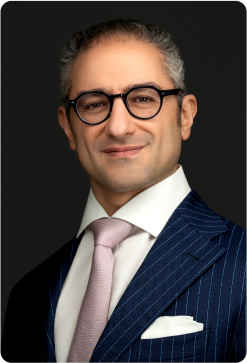
Dr. Amir Dorafshar at Evolve Your Life recommends the following milestones before proceeding with body contouring:
- Weight has been stable for at least six to twelve months
- Body mass index (BMI) is in a safe surgical range — ideally below 32 to 35
- Nutritional status is adequate (particularly important after bariatric surgery, which can cause vitamin and protein deficiencies)
- All recommended nutritional supplementation has been in place for at least six months
- Active smoking has stopped for at least four to six weeks
- Realistic expectations about scarring and staged procedures
Which Body Contouring Procedures Are Available After Weight Loss?
Lower body lift (belt lipectomy) — most comprehensive lower body procedure
A circumferential incision removes excess skin and tissue from the abdomen, outer thighs, buttocks, and hips in a single procedure. It is the most comprehensive lower body contouring operation and is the most common starting point for post-weight loss body contouring.
Tummy tuck (abdominoplasty)
For patients with primarily abdominal skin excess who do not require circumferential correction, a full tummy tuck removes the apron of skin, tightens abdominal muscles, and creates a flat midsection. It can be combined with liposuction of the flanks.
Arm lift (brachioplasty)
An arm lift removes loose skin from the upper arms — a hallmark of massive weight loss. The scar runs along the inner arm and is typically not visible when the arms rest at the sides.
Thigh lift (thighplasty)
A thigh lift removes excess skin from the inner and/or outer thighs. Frequently combined with a lower body lift for comprehensive lower body correction.
Breast lift and/or augmentation
Weight loss often causes significant breast deflation and ptosis. A breast lift restores position; augmentation (with implants or fat transfer) restores volume. Both are frequently combined.
Upper body lift and back roll removal
Loose skin on the upper back, flanks, and bra line area can be addressed with an upper body lift — removing horizontal bands of excess tissue across the back.
Can All Procedures Be Combined in One Surgery?
Combining all procedures at once is generally not recommended because the operative time required would exceed safe limits. Most post-weight loss body contouring plans involve two to three staged surgeries performed months apart. The sequence is planned collaboratively with the patient based on their priorities and overall health.
Body Contouring Frequently Asked Questions
How much weight should I lose before body contouring surgery?
There is no specific weight target — the key is stability. Weight should be stable for six to twelve months before surgery, and BMI should ideally be below 32 to 35. Patients still losing weight should wait until they reach a plateau.
Does insurance cover post-weight loss body contouring?
Insurance may cover a panniculectomy (removal of the abdominal skin apron) when it causes documented skin infections, rashes, or ulcerations. Full tummy tucks and other body lifting procedures are typically not covered. The Evolve Your Life team can help identify which components may qualify.
Will I have significant scarring after body contouring?
Yes. Body lifting procedures involve long incisions. Scars are placed strategically — at the belt line, groin crease, and inner arm — to be concealed by clothing and swimwear where possible. Scars fade significantly over 12 to 18 months.
How long is recovery from a lower body lift?
A lower body lift requires three to four weeks before returning to desk work and six to eight weeks before resuming exercise. The full recovery includes managing drains for the first week and wearing a compression garment for six weeks.
Can I have body contouring after gastric bypass specifically?
Yes. Gastric bypass patients are excellent candidates for post-weight loss body contouring once nutritional status is optimized and weight is stable. Dr. Dorafshar works closely with bariatric surgery teams to coordinate care.
NEXT STEP FOR PATIENTS
Ready to complete your transformation? Schedule a post-weight loss consultation with Dr. Amir Dorafshar at any of the Evolve Your Life locations, Chicago, Oak Brook, and Peoria. Call (312) 278-9000, or book here https://www.evolveyourlife.com/contact/book-consultation/.