Liposuction is performed under anesthesia so there is no pain during the procedure. Afterward, most patients describe the sensation as deep muscle soreness — similar to an intense workout — peaking in the first 48 to 72 hours and significantly improving by day seven. Most patients return to desk work in three to seven days and exercise in four to six weeks.
Does Liposuction Hurt?
Liposuction is performed under local or general anesthesia, so there is no pain during the procedure itself. Post-operative discomfort varies based on the number of areas treated and the technique used, but the experience is typically described as a deep soreness or bruised feeling rather than sharp or severe pain.
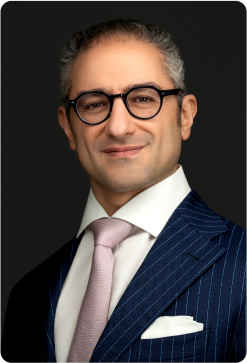
At Evolve Your Life in Chicago, Dr. Amir Dorafshar — a board-certified plastic, aesthetic, and reconstructive surgeon — uses tumescent liposuction with a local anesthetic component, which significantly reduces post-operative discomfort and is one of the most patient-friendly techniques available.
Liposuction Pain by Recovery Stage
Days 1–3: Peak discomfort
The first 48 to 72 hours are the most uncomfortable. Soreness, swelling, and bruising are at their peak. Prescription pain medication is typically prescribed and used as needed. Most patients are mobile and encouraged to walk short distances, which reduces clot risk and promotes circulation.
Days 4–7: Significant improvement
Most patients transition from prescription medication to ibuprofen by day four or five. Soreness is still present but manageable. A compression garment is worn continuously during this period to reduce swelling and discomfort.
Weeks 2–4: Residual tenderness
Soreness largely resolves. Some areas may feel firm or lumpy — this is normal post-surgical healing (fibrosis) that resolves over weeks to months. Light walking and daily activities are well-tolerated.
Weeks 4–6: Return to exercise
Most patients resume exercise at four to six weeks as cleared by Dr. Dorafshar. Strenuous core or lower body exercise may require additional recovery time depending on treatment areas.
Months 3–6: Final result visible
Swelling fully resolves and the final contoured result becomes apparent. Patience during this phase is important — early photos will not reflect the true outcome.
Liposuction Downtime: When Can I Return to Normal Life?
- Driving: When no longer taking narcotic pain medication (typically 3–5 days)
- Desk work: 3 to 7 days for most patients
- Light walking: Day 1 post-surgery (encouraged)
- Exercise and gym: 4 to 6 weeks
- Full activity: 6 to 8 weeks
- Final result visible: 3 to 6 months
What Speeds Up Liposuction Recovery?
- Wearing the compression garment consistently as instructed
- Staying well hydrated and eating anti-inflammatory foods
- Walking gently from the first day onward
- Avoiding smoking before and after surgery (impairs healing)
- Following all post-operative instructions from Dr. Dorafshar’s team
Frequently Asked Questions
Is liposuction more painful than a tummy tuck?
A tummy tuck is generally considered more painful than liposuction alone because it involves muscle repair and larger incisions. When the two are combined, recovery reflects the tummy tuck more than the liposuction component.
Will I need someone to care for me after liposuction?
Yes. A responsible adult should drive you home after surgery and remain with you for at least the first 24 hours. For the first few days, assistance with meals and daily tasks is helpful.
Does liposuction leave permanent scars?
Liposuction incisions are 3 to 5 millimeters — placed discreetly in skin folds or natural creases. Most patients find them nearly invisible after full healing at 12 to 18 months.
How swollen will I be after liposuction?
Swelling is significant in the first two to four weeks, then progressively decreases. At three months, most of the swelling has resolved. Final results are typically visible at three to six months.
Can I fly after liposuction?
Most surgeons recommend avoiding flying for at least a week after liposuction to reduce the risk of deep vein thrombosis (DVT). Discuss specific plans with Dr. Dorafshar at your pre-operative appointment.
NEXT STEP FOR PATIENTS
Questions about liposuction recovery? Schedule a consultation with Dr. Amir Dorafshar at any of the Evolve Your Life locations, Chicago, Oak Brook, and Peoria. Call (312) 278-9000, or book here https://www.evolveyourlife.com/contact/book-consultation/.