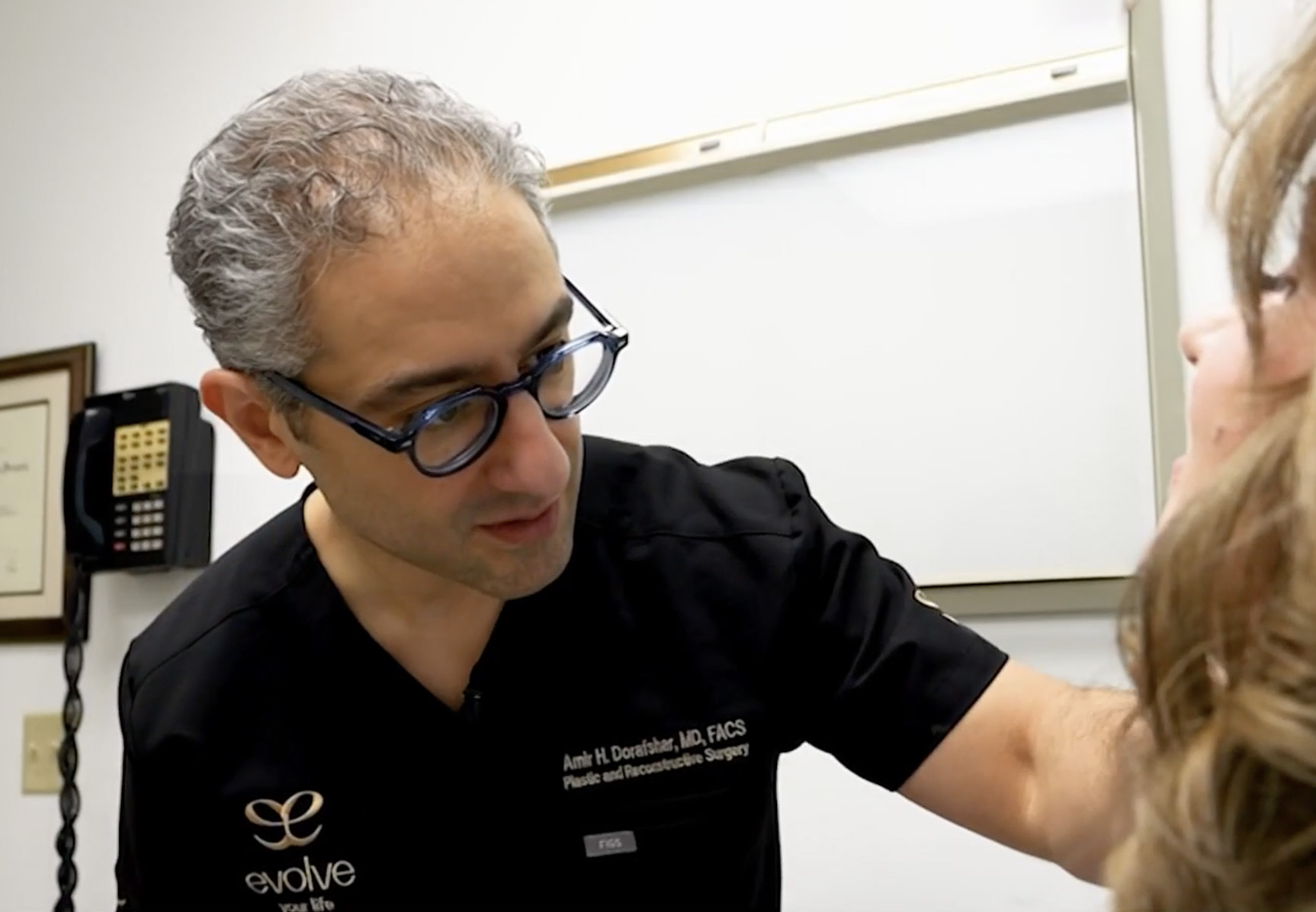
Congratulations on taking this exciting step in evolving your life! We look forward to being part of your journey.
This guide will help you prepare for surgery, and ensure your recovery goes as smoothly as possible. If you have any questions, please don’t hesitate to contact our office at (312) 278-9000.
Preparing for Your Initial Consult: To obtain the full benefit from your initial consultation, it can be beneficial to think about your options and goals in advance, and bring a list of questions. This will assist you and your team in developing the right plan to achieve your desired results.
Resources
Resources that may be helpful to you as you consider this procedure:
There are a number of Online Communities that offer information and support regarding FFS, including:
Transgender Surgeries Subreddit is a large international discussion group on Reddit that describes itself as “A sub for the discussion of surgeries, surgery results, surgeon satisfaction and the costs incurred by transgender people.” It includes discussion of facial feminization procedures, as well as other gender affirming surgeries.
FFS Facial And Body Feminization Surgery / TS TG Facebook Group is an international Facebook group whose description includes, “This group is for transgender women or anyone in the trans feminine spectrum seeking information related to facial and body feminization surgeries.”
Once you Book your FFS
There are a variety of things you can do in advance to prepare for a successful surgery:
- Hospital Stay: Typically, for phase 1, bone remodeling surgery, Dr. Dorafshar prefers to keep you overnight in the hospital for observation after a longer surgery. You should be prepared for 1 overnight stay, and to be discharged the following day.
- Outpatient Surgery: For some procedures, outpatient surgery may be more appropriate. In these cases, you will go home after recovering from surgery. These surgeries will be typically performed in a surgery center.
- Driver: Make arrangements for a trusted friend or family member to drive you home after your procedure. You will not be able to drive yourself home due to the effects of anesthesia and post-surgical medications.
- Hotel: If you are having outpatient surgery and wish to stay near the surgical center after your surgery, you may book a room at a nearby hotel. Please ask our office for information about special rates.
- Support for First 24 Hours: Schedule a friend or relative to stay with you for 24 hours following surgery, or ask our office to arrange an overnight nurse to assist you.
- Support for First Few Days: Request support from friends or family as needed for the first few days of your recovery, such as assistance with picking up food or medications.
- Set Expectations: Consult resources recommended by your surgical team and support communities to develop an accurate understanding of what to expect during the surgery and recovery process for your specific procedures. This will greatly reduce stress, and streamline your recovery process.
- Paperwork: If you will be applying for short term disability leave or work accommodations to support your recovery, please obtain these forms and forward to our office as soon as possible so that we can coordinate their completion in a timely fashion. If you plan to file for out-of-network health insurance reimbursement, please contact your insurance in plenty of time to request any information you need from us, such as procedure codes.
Choose Recovery Aids
Review the list of recommended recovery aids and decide which ones you will incorporate into your plan:
- Pajamas or lounge wear with a top that buttons or zips down the front, so that you can put it on without disturbing your surgical sites.
- Wedge pillow for the early stages of your recovery, to keep your head comfortably elevated when reclining or sleeping. This can help reduce swelling and keep you more comfortable.
- Clear liquids for the first 1-2 days, such as clear broths, jello, tea, popsicles, Italian ice, apple or grape juice, and non-carbonated flavored water. This will be especially important if any of your procedures involve incisions inside your mouth,
- Soft foods such as eggs, fish, applesauce or soup for the next few days.
- Easy to prepare foods for the following few days.
- Cooling masks or ice cold water towels to comfort the facial areas that will be refined during surgery. Having two will allow you to cool one mask or towel while you are using the other.
- Stool softener to reduce the risk of constipation from anesthesia or post-surgical pain management medications, and Dulcolax suppositories in case you need additional assistance.
- Rinse-free foaming cleansing cloths to freshen up until you are comfortable showering.
- Text-to-voice app if you will be having work done that may temporarily make talking uncomfortable.
- Scar treatment cream such as Biocorneum from Skin Medica
2 Weeks Prior to FFS
There are a number of things you can do to ensure your body and mind are great shape for surgery, and you are well prepared:
Important
- Prescription Instructions: Consult with your surgical team on what to do regarding any prescription medications, and when to schedule your followup appointments.
- Allergies: Make sure your surgical team is aware of any medication or latex allergies you may have.
- Supplements: Discontinue any herbal or dietary supplements, as these can have unpredictable interactions with anesthesia, medications, or surgical and recovery risks.
- Vitamin E, Aspirin and Ibuprofen: Stop taking large doses of vitamin E, and stop taking any products containing aspirin or ibuprofen, as these can increase the risk of bleeding. It is okay to take Tylenol (acetaminophen) as needed.
- Tobacco: Stop any smoking or vaping of tobacco products, as these can significantly increase surgical risks for at least 6 weeks prior and after your surgery.
- Cannabis: Stop using any cannabis products, or disclose your usage accurately to your medical team, as cannabis can affect your response to anesthesia.
Recommended
- Support for First 24 Hours: Confirm that the requested friend or relative is still available to stay with you for 24 hours following surgery, or ask our office to arrange an overnight nurse to assist you.
- Support for First Few Days: Confirm that the requested friend(s) or relative(s) are still available to support you as needed for the first few days of your recovery.
- Multivitamin: Begin taking a high-quality daily multivitamin.
- Healthy Diet: Consider adopting a reduced inflammation diet focused on protein and vegetables, and reducing the consumption of processed foods, alcohol, starch and sugar.
- Recovery Aids: Purchase any recovery aids you have selected from the list on the previous page.
- Hibiclens: Obtain a bottle of Hibiclens from your local pharmacy, and read the instructions.
One Week Prior To FFS Surgery
Risk Reducers
Continue to avoid tobacco, aspirin, ibuprofen, supplements, large doses of vitamin E, or drug use, and avoid alcohol.
Prescriptions
Follow your team’s instructions regarding prescriptions.
Colds
Report any signs of cold or infection to the doctor, and check with doctor before taking any cold medicine.
Diet
Continue healthy diet and multivitamin.
Day Before FFS Surgery
Environment
Set up your environment to be ready and comfortable for your return.
Hibiclens
Shower thoroughly with Hibiclens (body only) the night before your surgery.
Fasting
Do not eat or drink anything after midnight the night before your surgery.
Nail Polish
Remove any nail polish from your hands, to allow the surgical team to monitor your oxygen levels.
Morning of FFS Surgery
- Fasting: Do not eat or drink anything before your surgery.
- Prescriptions: Follow your doctor’s instructions regarding any prescription medications.
- Hibiclens: Shower thoroughly with Hibiclens (body only) again. Wash your hair with your normal shampoo.
- No Shaving: Do not shave the surgical sites.
- No Moisturizer or Makeup: Do not apply moisturizer, makeup, or other products to your face.
- No Styling Products: Do not apply styling products to your hair.
- No Contacts: Do not wear contact lenses.
- No Nail Polish: Do not wear nail polish to your procedure.
- No Jewelry or Valuables: Do not wear any jewelry or bring valuables with you to the surgical center.
- Clothing: Dress comfortably in loose-fitting clothes and slip-on shoes. Bring a shirt that buttons or zips down the front, or has an extra large neck opening for your return home.